
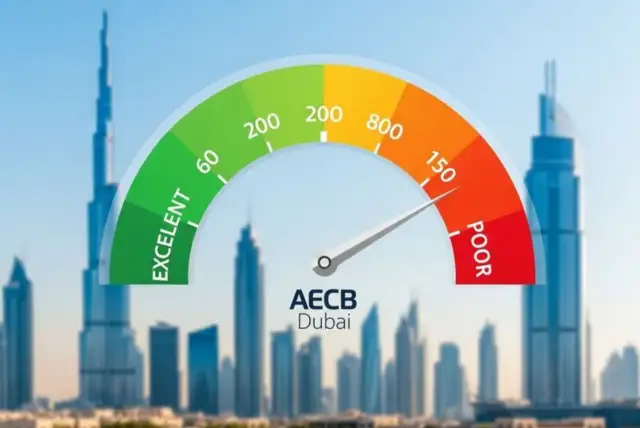
Managing your financial life in the UAE means becoming familiar with several key institutions, and the Al Etihad Credit Bureau (AECB) is at the center of how your financial reputation is built, maintained, and evaluated.
Whether you are applying for a loan, seeking a new credit card, or simply planning for your financial future, understanding the AECB’s role is essential.
This guide will help you navigate what the AECB does, how it affects your financial profile, and how you can use this knowledge to strengthen your position for future opportunities.
What Is the AECB?
The Al Etihad Credit Bureau (AECB) is the UAE’s official credit reporting agency.
Established to improve transparency and trust in the nation’s financial system, the AECB gathers and maintains comprehensive credit information on individuals and companies.
The bureau is regulated by national authorities and is responsible for ensuring that financial data is collected, stored, and shared securely and accurately.
What Information Does the AECB Collect?
The AECB collects a wide range of financial data, including:
- Personal identification details (Emirates ID, passport information)
- Current and past loans, credit cards, and mortgages
- Payment history for each credit product
- Outstanding balances and credit limits
- Utility bill payment records (increasingly common for expatriates and residents)
- Any defaults, late payments, or bounced cheques
- Closed or settled accounts
Financial institutions, telecom providers, and some utility companies are required to report this data to the AECB regularly.
This creates a centralized profile that reflects your overall creditworthiness.
How Does the AECB Use Your Information?
The AECB compiles the information it receives into two main products:
- Credit Report: A detailed document showing your credit accounts, payment history, current debts, and past defaults.
- Credit Score: A three-digit number that summarizes your creditworthiness based on your recent financial behavior.
Banks and lenders use your AECB report and score to assess the risk of lending to you.
A higher score usually means better access to loans, credit cards, and other financial products at favorable terms.
A lower score may result in rejections or stricter lending conditions.
Why Is the AECB Important for Residents and Expatriates?
In the UAE, many residents—including a large expatriate community—rely on credit to finance homes, vehicles, or education.
The AECB provides a standardized way for financial institutions to evaluate all applicants, regardless of their origin or previous banking history.
This helps prevent fraud, reduces risky lending, and encourages responsible borrowing and repayment among consumers.
How to Access Your AECB Credit Report and Score
You can request your credit report and score directly from the AECB through their website, app, or approved customer service centers.
Typically, you’ll need your Emirates ID and contact information to register.
Reviewing your report regularly helps you:
- Check for errors or outdated information
- Understand what lenders see when you apply for credit
- Identify areas for improvement in your financial behavior
- Protect against identity theft or unauthorized borrowing
There is a fee for obtaining your official report and score, but the insight gained is often well worth the cost.
What Factors Affect Your AECB Credit Score?
Your AECB credit score is influenced by several elements:
- Payment history: Timely repayments improve your score, while late payments or defaults reduce it.
- Credit utilization: Using a high percentage of your available credit can lower your score.
- Length of credit history: Longer credit histories are generally positive, provided they show responsible use.
- Types of credit: A mix of credit cards, loans, and mortgages can be beneficial.
- New credit inquiries: Frequent applications for new credit can lower your score temporarily.
Understanding these factors helps you take control of your financial reputation and make better decisions when managing debt or applying for new credit.
Tips for Improving Your AECB Credit Score
- Pay all bills on time—including credit cards, loans, and utilities.
- Keep credit card balances low relative to their limits.
- Avoid taking on unnecessary debt.
- Review your credit report at least once a year for accuracy.
- Limit new credit applications to those you truly need.
Consistency and good habits are the keys to building and maintaining a healthy financial profile.
How Lenders Use the AECB in Their Decision Process
Banks, finance companies, and even some employers may use your AECB credit report and score to:
- Evaluate your application for credit cards, loans, or mortgages
- Set interest rates and credit limits based on your risk level
- Monitor your ongoing credit behavior for existing products
- Approve or reject applications for new financial products
Your financial profile, as reported by the AECB, becomes a central part of your interactions with the UAE’s financial system.
Taking your credit history seriously pays off over time.
Common Questions About the AECB
- Does checking my own report hurt my score?
No. Personal inquiries are not factored into your score. - How long does negative information stay on my report?
Most negative entries remain for up to five years. - Can I dispute an error in my report?
Yes. You can submit a dispute to the AECB for investigation and correction. - Is my information safe with the AECB?
Yes. Data security and confidentiality are central to the bureau’s operations.
The Al Etihad Credit Bureau is more than just a data collector—it’s the foundation of your financial profile in the UAE.
By understanding its role and regularly monitoring your own credit history, you put yourself in a stronger position for borrowing, negotiating better terms, and reaching your financial goals.
Make the AECB a partner in your financial wellbeing, and you’ll be better equipped to navigate the country’s dynamic and opportunity-rich financial landscape.