
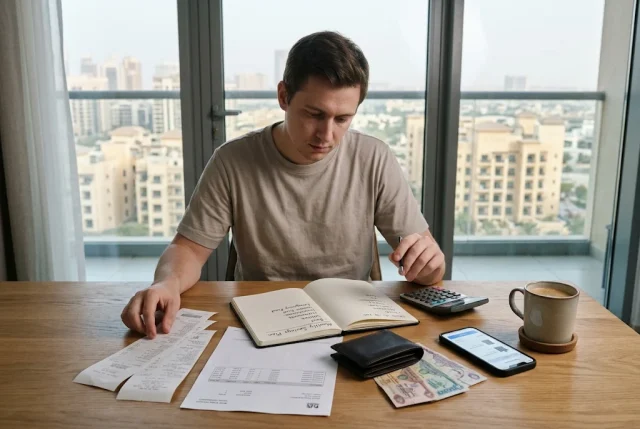
Whether you are saving for a car, preparing to move into your own apartment or building an emergency fund, your daily spending decisions matter.
The good news is that controlling impulse purchases does not mean giving up everything you enjoy. It means learning to make more intentional decisions with your money.
How impulse spending affects your financial future
Impulse spending happens when you buy something without planning the purchase beforehand. It is often influenced by emotions, advertising, convenience or temporary excitement.
In the UAE, shopping centres, online marketplaces, food delivery applications and frequent promotions can make unplanned purchases particularly tempting.
The problem is not necessarily buying something occasionally. Financial difficulties can arise when these purchases become a regular habit.
Small purchases can become significant expenses
Imagine spending an additional AED 25 every working day on snacks, coffee or other items you did not originally plan to buy.
Over 22 working days, that represents AED 550 per month.
If the same spending pattern continues for 12 months, the total reaches AED 6,600.
That amount could otherwise contribute towards an emergency fund, a professional course or another important financial objective.
This example illustrates how small expenses can accumulate without being immediately noticeable.
Impulse purchases reduce your ability to save
Saving money usually requires setting aside part of your income before spending it on non-essential items.
However, frequent impulse purchases can leave little money available at the end of the month.
When this happens repeatedly, building savings becomes more difficult.
You may also find yourself relying on your next salary to cover unexpected expenses rather than using money already reserved for emergencies.
Why impulse buying is common in the UAE
Living in the UAE offers access to a wide range of shopping experiences, entertainment options and convenient digital services.
While these opportunities can improve everyday life, they can also encourage spending beyond your original budget.
Understanding what triggers unnecessary purchases is an important step towards changing your financial habits.
Convenience makes spending easier
Digital wallets, contactless payments and shopping applications allow consumers to complete purchases within seconds.
Although these services are convenient, they can make spending feel less noticeable than handing over physical cash.
For example, ordering food several times a week may seem inexpensive when each transaction is considered separately.
However, delivery charges, service fees and additional items can increase your monthly spending considerably.
Social pressure influences financial decisions
Social activities are an important part of life, particularly for young professionals living in cities such as Dubai and Abu Dhabi.
Restaurants, weekend activities and shopping experiences can create pressure to maintain a particular lifestyle.
Sometimes, people spend money because they want to participate in social activities rather than because they genuinely need something.
Recognising this difference can help you make decisions based on your financial priorities.
Promotions can encourage unnecessary purchases
Discounts and limited-time offers can create a sense of urgency.
You might feel that buying something immediately is a good financial decision because the original price is higher.
However, a discounted product still represents an expense.
Before purchasing, consider whether you would have bought the item without the promotion.
If the answer is no, the discount may not represent a genuine saving.
How impulse spending can delay major financial goals
One of the biggest consequences of uncontrolled spending is the impact it can have on long-term financial planning.
Your financial goals may include buying a vehicle, renting a better apartment, pursuing further education or preparing for retirement.
These objectives usually require consistent saving over several months or years.
Your emergency fund may grow more slowly
An emergency fund is money reserved for unexpected situations, such as urgent medical expenses, essential repairs or a period without employment.
For people living abroad, emergency savings can also help cover unexpected travel costs or changes in employment circumstances.
If unnecessary purchases regularly consume your available income, building this financial reserve becomes harder.
Even setting aside AED 200 or AED 300 each month can help you establish a savings habit.
The appropriate amount depends on your income, essential expenses and personal circumstances.
Credit card balances can become harder to manage
Credit cards are widely available through UAE financial institutions, including Emirates NBD, First Abu Dhabi Bank and Abu Dhabi Commercial Bank.
However, using credit to finance frequent impulse purchases can create additional financial pressure.
If you do not pay the full amount due according to your card’s terms, interest or other applicable charges may increase the cost of purchases.
Repeatedly carrying balances can also reduce the money available for savings.
Before using a credit card, consider whether you can comfortably repay the purchase without affecting essential expenses.
Long-term investments may receive less attention
Investing involves putting money into assets with the aim of achieving financial growth over time, although returns are never guaranteed.
Frequent impulse spending can prevent you from building the savings needed to consider investments.
It may also encourage short-term decisions instead of consistent financial planning.
Before investing, prioritise essential expenses, expensive debts and an appropriate emergency fund.
Practical ways to control impulse spending
Reducing unnecessary purchases does not require an extremely restrictive lifestyle.
Instead, small changes can help you manage your income more effectively while maintaining room for enjoyable activities.
Create a realistic monthly budget
Start by identifying how much money you receive each month and how much you spend on essential expenses.
These may include rent, groceries, transport, utilities, insurance and financial commitments.
Next, decide how much you want to allocate towards savings and discretionary spending.
Discretionary spending refers to optional purchases, such as entertainment, shopping and restaurant visits.
Setting a clear limit helps you enjoy these activities without compromising important financial goals.
Introduce a waiting period before buying
When you want to purchase something that was not included in your budget, consider waiting at least 24 hours.
For more expensive items, you may prefer waiting several days.
This gives you time to decide whether the purchase is genuinely useful or simply an emotional reaction.
You may discover that the desire to buy disappears once the initial excitement passes.
Separate savings from everyday spending
Consider transferring a fixed amount into a dedicated savings account shortly after receiving your salary.
Keeping savings separate from your everyday spending balance can reduce the temptation to use that money.
UAE banks offer different savings account options, although eligibility requirements, fees and returns vary.
Always check the institution’s official information before opening an account.
Review your spending regularly
Choose one day each week to review recent transactions.
Look for repeated purchases that were not planned, particularly food deliveries, subscriptions and online shopping.
You do not necessarily need to eliminate these expenses.
Instead, identify which ones provide genuine value and which could be reduced.
Regular reviews can make financial decisions easier and help you notice problems before they become serious.
Make everyday choices support your bigger goals
Understanding how impulse spending impacts your long-term financial plans can change the way you approach everyday purchases.
Small, unplanned expenses may seem insignificant individually, but their combined effect can delay savings, increase financial pressure and reduce flexibility.
Start by reviewing your spending from the past seven days. Identify one unnecessary expense you can reduce and redirect that amount towards a specific financial goal.
Over time, consistent decisions can help you build stronger financial habits without giving up the things that matter most.
Frequently asked questions
1. How can I tell if I am spending too much on impulse purchases?
Review your bank transactions and identify purchases you made without planning. If these expenses regularly prevent you from saving money, paying bills comfortably or achieving financial goals, your spending habits may need attention. Tracking your purchases for one month can help you understand how much money goes towards unnecessary items.
2. Is impulse spending always bad for your finances?
Not necessarily. Occasional unplanned purchases are unlikely to cause serious financial problems when they fit comfortably within your budget.
The main concern is frequent spending that interferes with essential expenses, debt repayments or savings goals. Maintaining a reasonable allowance for personal enjoyment can help you balance financial responsibility with everyday life.
3. How much should I save each month in the UAE?
There is no single savings amount that works for everyone. Your ideal contribution depends on your salary, housing costs, financial responsibilities and personal goals.
Start with an affordable amount that you can save consistently. As your financial situation improves, consider increasing your monthly contributions to strengthen your emergency fund and support future plans.
4. Can reducing impulse purchases help me become financially independent?
Reducing unnecessary purchases can support financial independence by increasing the money available for savings, debt repayment and long-term investments.
However, spending control alone may not be enough. Building financial stability also requires managing essential expenses, developing useful financial habits and making realistic plans based on your income and personal circumstances.